Champiñones en salmuera de marca blanca y OEM: Guía completa del comprador (1)
OEM and private label purchasing in the brined mushroom industry is different from buying a standard commodity container. A standard order may only require the buyer to confirm product name, packing size, brine condition, and shipment schedule. An OEM order requires a wider commercial and technical discussion because the supplier is not only providing mushrooms; the supplier is helping the buyer protect a brand promise. For importers, supermarket channels, sauce factories, prepared-food companies, and regional distributors, this means the manufacturer must be able to control raw material consistency, packing presentation, label information, container loading, documentation, and long-term repeatability.
Many buyers first search for OEM brined mushrooms because they want to develop their own retail or food-service line without building a preservation facility. Others already import mushrooms under a house brand and need a Chinese factory that can keep quality stable across different seasons. The important point is that private label is not simply printing a buyer's logo on a carton or drum. A serious OEM program starts with product specification. It includes species selection, size range, salt level, net drained weight expectations, packaging format, label compliance, shelf-life strategy, inspection routine, and a communication process for future orders.
1. What OEM Means in Brined Mushroom Sourcing
OEM in brined mushrooms usually means the supplier produces and packs preserved mushrooms according to a buyer's required specification, label language, carton mark, drum mark, document format, or downstream repacking need. It may involve bulk drum products for an importer who later repacks locally, or retail-ready jars, tins, pouches, or food-service packs where the brand owner needs more visible packaging control. In some cases, OEM means recipe-level cooperation: the buyer requests a specific brine strength, mushroom cut, sorting standard, or ingredient statement for use in a sauce, ready meal, pizza topping, or mixed vegetable product.
The first mistake many new buyers make is treating OEM as a design issue instead of a supply-chain issue. Label design is only the visible layer. The deeper issue is whether the factory can reproduce the same product across repeat orders. If one shipment has firm texture, clean color, and uniform sizing, while the next shipment contains inconsistent pieces or excessive sediment, the buyer's brand takes the blame in the local market. For this reason, OEM cooperation must start with a written specification sheet, not a logo file.
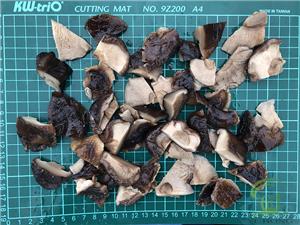
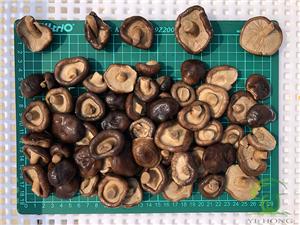
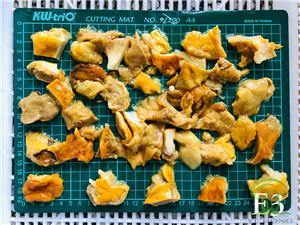
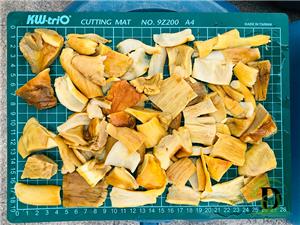
For brined porcini, nameko, shiitake, chanterelle, stropharia, and hazel mushrooms, the specification may include mushroom species, origin, grade, size, cut type, acceptable defect level, brine concentration, packing medium, drained weight, container type, shelf-life conditions, and intended processing use. The more specific the specification, the easier it is for the supplier to quote accurately and for both sides to avoid disputes after shipment.
| OEM Element | Why It Matters for Buyers | What to Confirm with the Factory |
|---|---|---|
| Product specification | Controls repeat quality and reduces claim risk | Species, grade, cut, size, brine, drained weight, defect tolerance |
| Label and carton information | Protects compliance and brand presentation | Language, importer details, country requirements, batch code, storage statement |
| Packing format | Affects cost, logistics, repacking, and processing | Drums, tins, jars, pouches, cartons, palletizing |
| Documentation | Supports customs clearance and distributor acceptance | Invoice, packing list, certificate, test reports, origin documents if needed |
| Sampling process | Prevents mismatch between expectation and shipment | Pre-shipment sample, retained sample, photo record, approval procedure |
2. Choosing the Right Product for a Private Label Line
Not every brined mushroom is suitable for every private label program. A supermarket buyer may care about visual appearance, piece integrity, clean liquid, and label appeal. A food-service distributor may care more about bucket or tin convenience, portion control, and stable availability. A sauce manufacturer may prioritize flavor release, texture after processing, and cost per usable kilogram. An importer supplying several downstream users may need flexible bulk packing that can serve multiple customer types.
Brined porcini mushrooms are often chosen when the buyer wants a premium wild mushroom profile for sauces, condiments, prepared meals, or gourmet ingredient lines. Nameko mushrooms in brine are different: the natural smooth texture and recognizable appearance can be suitable for Asian-style applications and food manufacturers that need a distinctive mushroom ingredient. Shiitake mushrooms in brine are often more familiar to global buyers and may be easier to position for food-service and retail channels. Chanterelles and hazel mushrooms may fit specialty lines where the buyer wants wild mushroom identity and differentiation.
A private label buyer should avoid choosing only by product name. The better approach is to start with the end use. Is the mushroom going into a sauce, a canned mixed product, a frozen meal, a deli product, a pizza topping, a catering pack, or a retail jar? Each application creates a different requirement. Texture, color, size, salt level, and drained yield have different commercial value depending on how the final customer uses the product.
Por eso, los proveedores profesionales hacen preguntas antes de cotizar. Pueden preguntar sobre el mercado objetivo, las preferencias de empaque, el método de procesamiento, el volumen anual previsto, el destino del envío y si el comprador necesita etiquetas para venta minorista o etiquetas industriales. Un proveedor que cotiza de inmediato sin comprender estos detalles aún puede ser útil para compras puntuales, pero los compradores OEM generalmente necesitan un socio que pueda traducir los requisitos del mercado en una especificación de fábrica reproducible.
3. Opciones de envasado para champiñones en salmuera para fabricantes de equipos originales (OEM)
El empaquetado es una de las decisiones más importantes en un proyecto OEM, ya que afecta a la eficiencia del transporte, los costes de manipulación, la presentación en el lineal y la percepción del cliente. Los compradores industriales suelen preferir los bidones, pues son eficientes para la conservación a granel y el transporte a larga distancia. Los compradores del sector de la restauración pueden preferir latas, tarros, cubos u otros formatos, según el uso que se le dé al producto en cocinas o plantas de procesamiento. A los compradores minoristas les importa el diseño de la etiqueta, la transparencia, la estabilidad en el lineal y la información visible para el consumidor.
Para los importadores a granel, los champiñones en salmuera envasados en bidones suelen ser el punto de partida más práctico. El comprador puede importar un ingrediente conservado estable y luego reenvasarlo, sazonarlo o procesarlo localmente. Esto reduce la dependencia de los periodos de cosecha y permite al importador abastecer a diferentes canales locales. Sin embargo, para la venta minorista de marca blanca, los requisitos son más complejos. El envase debe cumplir con las normativas locales, los hábitos de consumo, las expectativas de vida útil, la durabilidad del cartón y las normas de código de barras o trazabilidad. Estos aspectos deben discutirse antes de la producción, no después de que los productos estén listos.
Un proveedor OEM sólido debería poder explicar las ventajas y desventajas de cada opción. Un formato de empaque de menor costo no siempre es la mejor opción si aumenta el riesgo de fugas, los costos de reempaquetado o las quejas de los clientes. Un empaque de apariencia prémium puede no ser útil si el mercado del comprador requiere principalmente ingredientes industriales a granel. La decisión correcta depende del canal de ventas del comprador. Aquí es donde el abastecimiento de hongos B2B se convierte en una cuestión de planificación comercial, más que en una simple orden de compra.
| Tipo de comprador | Objetivo común del fabricante de equipos originales | Puntos de discusión recomendados |
|---|---|---|
| Importador o distribuidor | Suministro estable a granel para reenvasado o reventa local. | Tamaño del tambor, paletización, documentación, carga de contenedores, planificación de pedidos repetidos |
| Fabricante de alimentos | Estabilidad de los ingredientes para las líneas de producción | Nivel de salinidad, rendimiento escurrido, textura, tipo de corte, programa de producción |
| propietario de una marca minorista | Producto listo para el consumidor bajo marca propia | Cumplimiento de la normativa de etiquetado, aspecto del embalaje, declaración de vida útil, resistencia del cartón |
| Proveedor de servicios de alimentación | Formato práctico para cocinas o servicios de catering. | Tamaño del envase, facilidad de apertura, almacenamiento después de la apertura, consistencia del producto |
| productor de salsas o condimentos | Base de champiñones para su posterior procesamiento. | Perfil de sabor, tamaño de las piezas, control de la salmuera, tolerancia a los defectos |