Hongos porcini congelados para la industria alimentaria: formatos, controles de calidad y abastecimiento (1)
Frozen mushrooms are an important ingredient option for food manufacturers that need to plan production around a defined purchasing schedule. For companies using porcini in sauces, prepared meals, pasta products, soups, and other savory foods, Frozen Porcini Mushrooms can provide a practical alternative to buying fresh mushrooms for immediate processing.
However, frozen porcini is not a single uniform product. Whole mushrooms, halved mushrooms, slices, and diced pieces may serve different purposes. The best choice depends on the finished food, processing equipment, portioning requirements, and the way the product will be stored and handled after delivery.
Buyers should also understand the requirements of frozen food logistics. Temperature control, packaging integrity, product condition, and storage planning all affect how efficiently the ingredient can be used.
This guide explains how to select frozen porcini for commercial use, compare product formats, evaluate samples, and prepare a purchasing specification that supports a more reliable supply process.
What Are Frozen Porcini Mushrooms?
Porcini, also known as Boletus edulis, is a mushroom used in a variety of savory food applications. Frozen porcini is prepared for frozen storage and supplied to buyers who need a mushroom ingredient that can be kept under the specified frozen conditions until use.
For commercial buyers, the main consideration is not simply whether the mushroom is frozen. It is whether the product format, quality, packaging, and storage requirements are suitable for the intended production process.
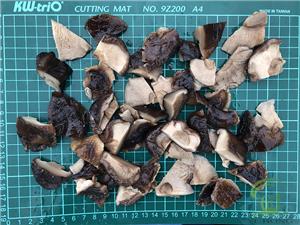
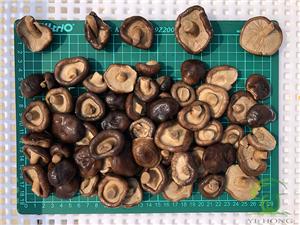
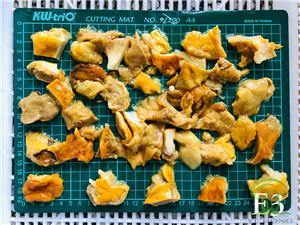
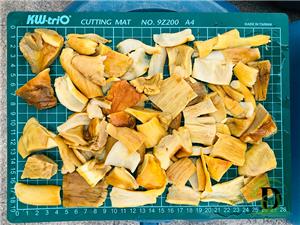
YIHONG's current Frozen Porcini Mushrooms range includes listed products such as whole porcini, halved porcini, slices, and diced or cubed formats. Buyers should confirm the availability and specification of the exact item they need before requesting a final quotation.
Why Food Manufacturers Consider Frozen Porcini
Fresh mushrooms may be appropriate for some production models, but their procurement can require close coordination between delivery, storage, and processing.
Frozen porcini gives buyers a different format to evaluate. When handled according to the supplier's storage instructions, it can be incorporated into a planned frozen ingredient supply chain.
Potential buyers include:
Food ingredient importers.
Frozen food distributors.
Sauce and soup manufacturers.
Pasta and prepared-food factories.
Pizza ingredient suppliers.
Foodservice distributors.
Commercial kitchens and catering suppliers.
Manufacturers of mixed mushroom products.
Whether frozen porcini is suitable depends on the recipe, the required product format, and the buyer's storage and processing capabilities.
Whole, Halved, Sliced, or Diced: Which Format Should You Choose?
Product format affects how much preparation is needed after delivery. It can also affect portioning, appearance, and the way the mushroom is distributed through the finished food.
Whole Frozen Porcini
Whole mushrooms may be useful when the buyer wants to control the cutting process internally or needs larger pieces for a particular application.
Before choosing whole porcini, evaluate the labor and equipment required for cutting. The buyer should also establish whether the size variation in the delivered product is acceptable for the intended recipe.
Halved Frozen Porcini
Halved mushrooms can provide a middle ground between whole mushrooms and smaller cuts. They may reduce some preparation work while retaining a larger mushroom appearance.
The buyer should confirm how the mushrooms are divided, the expected size range, and whether the product suits the factory's portioning requirements.
Sliced Frozen Porcini
Slices may be appropriate for products in which the mushroom needs to be distributed evenly or presented in a consistent form.
For manufacturers, slice thickness and size variation can affect appearance and cooking performance. These details should be agreed with the supplier and checked during sample evaluation.
Diced or Cubed Frozen Porcini
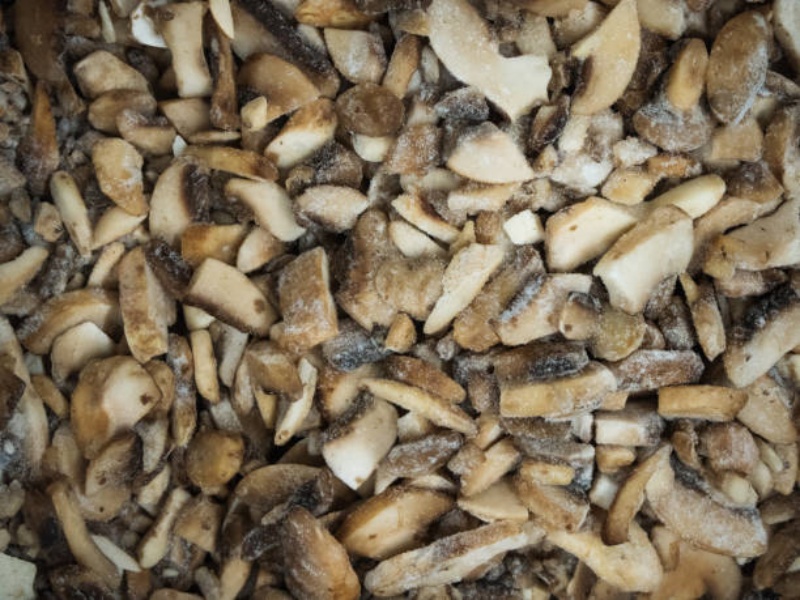
Diced products may be useful for sauces, fillings, prepared meals, and mixed ingredient formulations. A defined cut size can simplify portioning and reduce the need for additional cutting at the factory.
However, buyers should confirm the actual dimensions and acceptable variation rather than assuming all suppliers use the same cutting standard.
Match the Mushroom Format to the Recipe
The most reliable selection process starts with the final food product.
| Food Application | Questions to Consider |
| Sauce | Will the mushroom size work with the sauce texture and mixing process? |
| Soup | Will the mushroom maintain an acceptable texture after cooking? |
| Pasta products | Will the pieces distribute consistently through the sauce? |
| Pizza | Does the cut size suit the topping and portioning system? |
| Prepared meals | Does the product work with the full cooking and packaging process? |
| Foodservice | Does the format suit the kitchen's preparation method? |
These are starting points rather than universal rules. The actual choice should be confirmed through recipe testing.
Understanding the Effect of Freezing on Product Performance
Freezing is a preservation method, but it does not mean that every frozen mushroom product will behave identically during preparation.
The final result can depend on raw material condition, product size, preparation before freezing, freezing method, storage conditions, and how the mushroom is handled after delivery.
For this reason, buyers should evaluate the product under realistic conditions.
Consider the following questions:
Does the product match the agreed size and format?
Is the packaging intact upon receipt?
Is the product condition consistent with the specification?
How does the mushroom perform after the intended preparation process?
Does it meet the texture and appearance requirements of the recipe?
Does the factory need to adjust cooking time or preparation steps?
Where the product is intended for industrial production, the most useful evaluation is one that reflects the actual manufacturing process.
Cold Chain and Storage Planning
Frozen mushroom purchasing requires coordination between the supplier, logistics provider, warehouse, and production facility.
The buyer should confirm the product's required storage temperature, packaging configuration, shelf life, and handling instructions before arranging shipment.
Important logistics questions include:
What storage temperature is specified for the product?
What packaging format is used?
How is the shipment protected during transportation?
What temperature records are available?
What is the expected transit time?
Does the receiving warehouse have suitable frozen storage?
How will the product be transferred from the warehouse to production?
The exact temperature and handling requirements must come from the product specification and the applicable food safety procedures. Buyers should not assume that all frozen mushroom products have identical requirements.
Why Packaging Matters for Frozen Mushrooms
Packaging influences product protection, storage, handling, and the efficiency of warehouse operations.
For commercial buyers, packaging should be evaluated according to the intended purchasing volume and the equipment available at the receiving facility.
Confirm the package weight, dimensions, material, labeling, and carton configuration. For larger shipments, ask for loading information that can be shared with the freight forwarder or warehouse team.
Clear packaging specifications help prevent confusion when the product reaches the destination.